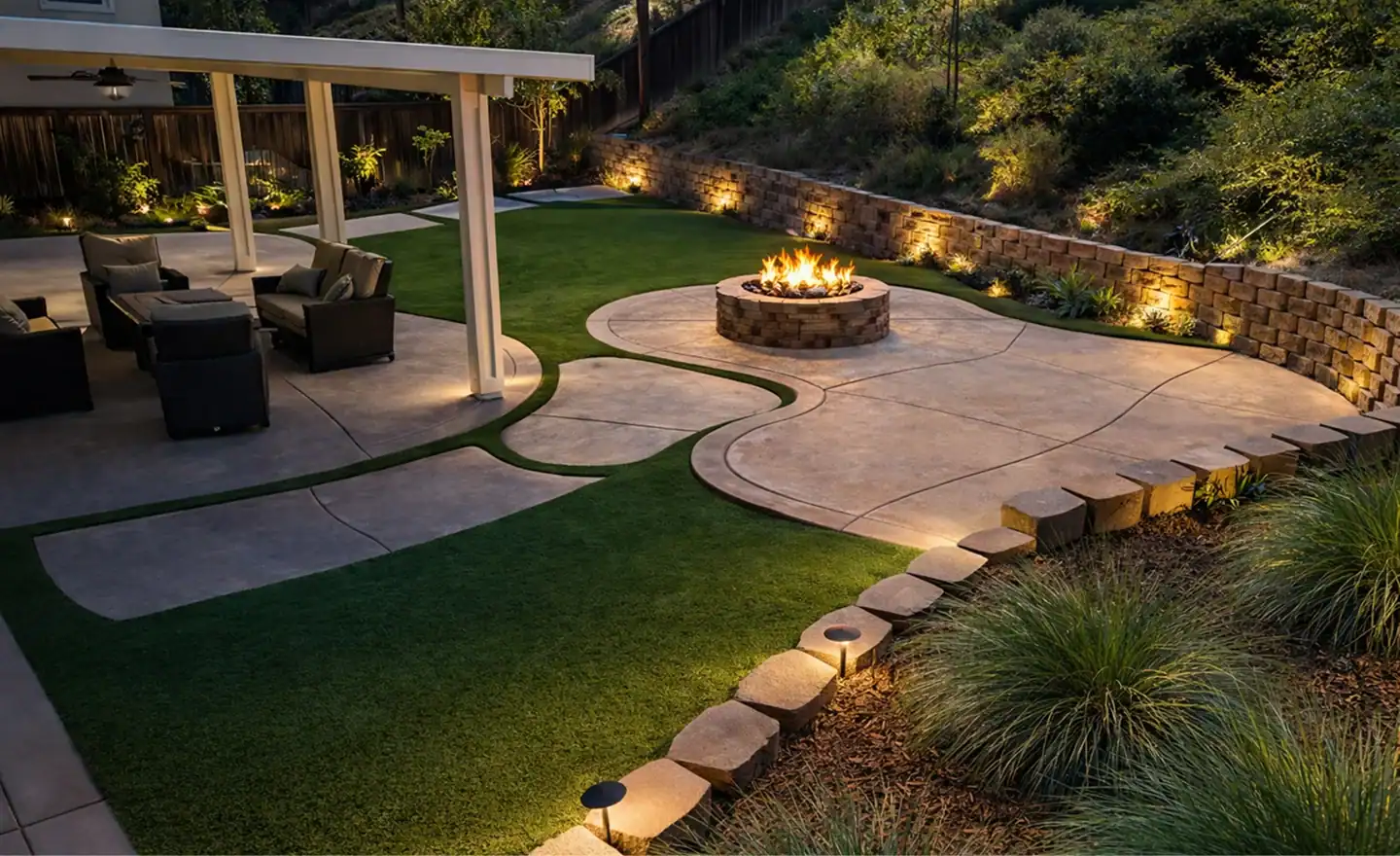
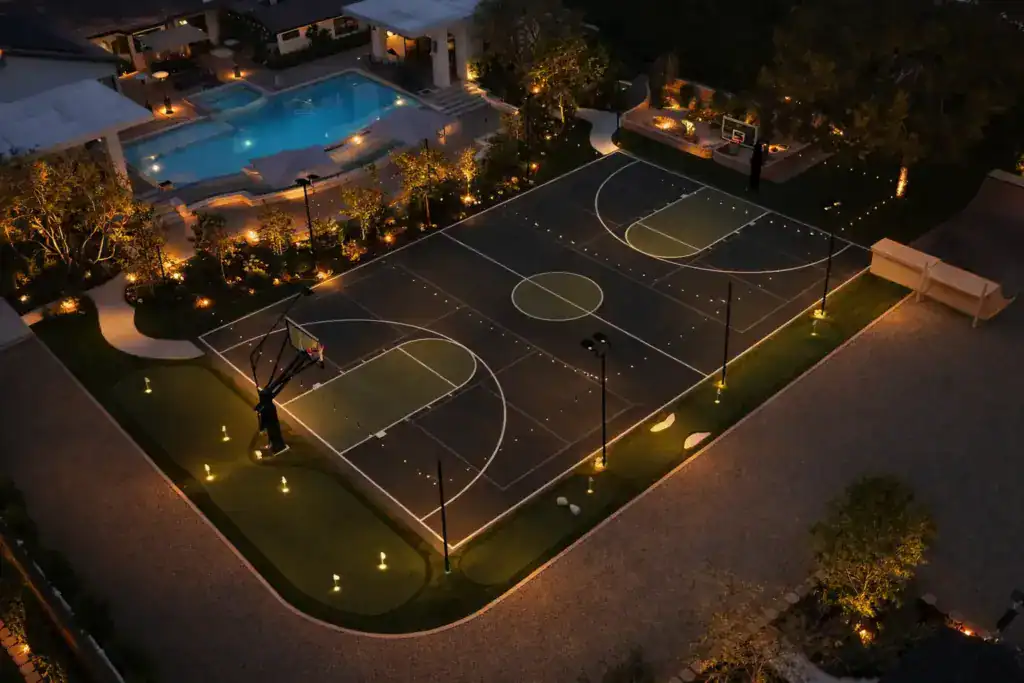
Maintenance costs for Southern California outdoor living spaces come down largely to material choice: artificial grass eliminates mowing, fertilizing, and irrigation bills, while natural lawns keep driving water costs upward year after year.
This guide walks Corona and Inland Empire homeowners through what to budget for over the life of an outdoor living space comparing turf, pavers, and natural stone against traditional lawns and decking, and flagging the hidden costs, like HOA approvals and site conditions, that can shift a project’s long-term maintenance budget.
Ecoworkz, founded during California’s historic drought crisis, installs low-maintenance turf, pavers, and masonry across Corona and the Inland Empire, cutting long-term upkeep versus traditional landscaping.
Key Takeaways
- Maintenance costs come down mainly to material choice: artificial turf and pavers cost far less to maintain long-term than natural grass or wood decking.
- Natural lawns incur high water bills due to weekly mowing, fertilizing, aeration, and heavy irrigation during the summer.
- Artificial turf eliminates mowing and watering almost entirely, delivering real long-term savings as Southern California water rates climb.
- Paver and stone hardscapes need only occasional sweeping and resealing, and typically outlast wood decking while requiring far less upkeep.
- Hidden costs like HOA approvals, permitting, and hillside site conditions can meaningfully shift both installation and long-term maintenance budgets.
- Transparent pricing and financing options help homeowners weigh upfront investment against long-term maintenance savings.
What Are the Long-Term Maintenance Costs of an Outdoor Living Space?
Outdoor living projects in Southern California vary widely based on project scope and materials; contact Ecoworkz for more details. Understanding outdoor living space maintenance cost differences upfront helps homeowners plan realistic long-term landscaping costs Southern California homeowners can expect, since these costs vary significantly by material and design choices.
Investing in professional landscape design helps homeowners avoid costly mistakes that compound over years of ownership.
How Do Material Choices Affect Ongoing Upkeep Expenses?
Low-maintenance materials like artificial grass and pavers reduce ongoing upkeep expenses compared to natural lawns. Natural grass in Southern California requires weekly mowing, fertilization, aeration, and substantial irrigation, leading to high costs throughout the summer. Pavers, by contrast, need only occasional sweeping and joint sand replenishment, while artificial turf eliminates mowing and watering entirely.
| Material Type | Typical Annual Maintenance | Water Usage Impact |
|---|---|---|
| Natural Lawn | pricing varies (mowing, fertilizing, watering) | High significant water use for lawn irrigation |
| Artificial Turf | pricing varies (cleaning, infill top-up) | Zero eliminates water bills for that area |
| Wood Deck | pricing varies (sealing, staining, repairs every 2–3 years) | Low |
| Paver Patio | pricing varies (sweeping, joint sand, occasional leveling) | Low |
Does Water-Efficient Landscaping Lower Utility Bills?
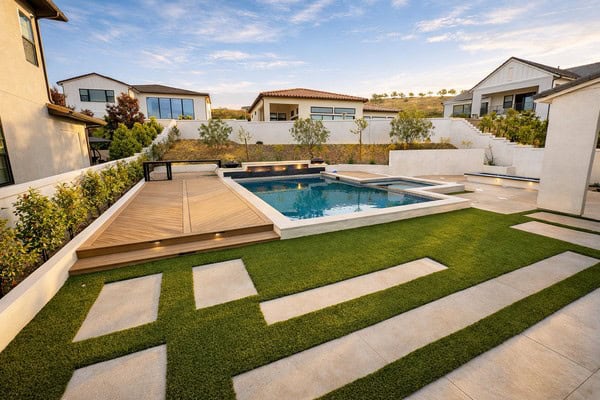
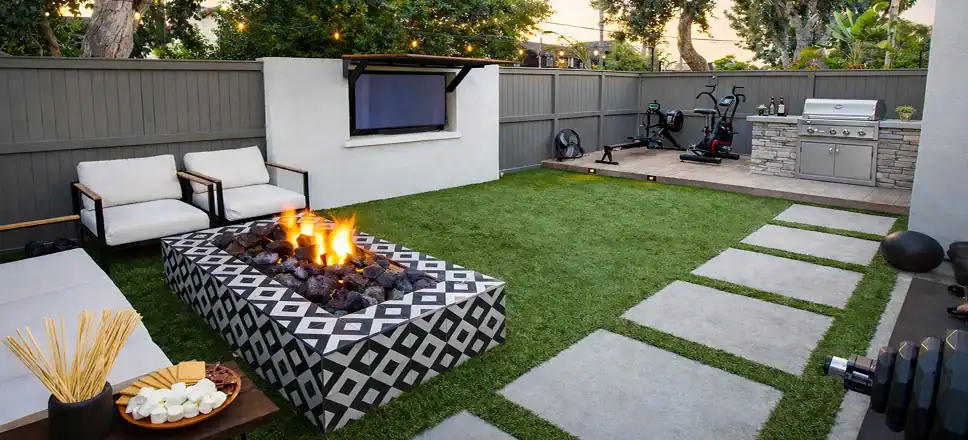
Water-efficient landscaping directly lowers monthly utility bills in drought-prone Southern California. Artificial turf installation conserves water resources while maintaining a green appearance year-round. Homeowners who replace natural grass with artificial turf save significant amounts of water annually, leading to reduced water bills that vary by local rates.
These savings accumulate year after year, driving strong artificial turf long term savings that make the initial investment increasingly attractive over the lifespan of quality turf.
How Do Material Choices Affect Upkeep Costs?
Material selection directly determines the long-term maintenance burden of any Southern California outdoor living space. Hardscape materials like pavers and natural stone require far less ongoing care than organic alternatives. Synthetic turf eliminates recurring lawn expenses entirely.
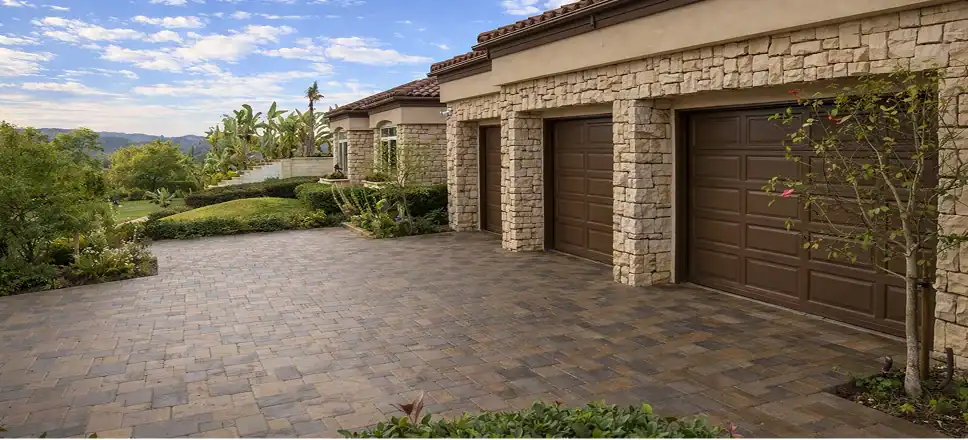
Paver patios and hardscape designs demand minimal upkeep/occasional sweeping and sealing every few years compared to wood or composite decking that needs staining, sanding, or replacement within a decade. For homeowners in areas we serve in Southern California, this translates to savings in labor and materials over time.
What Makes Artificial Grass a Lower-Maintenance Option?
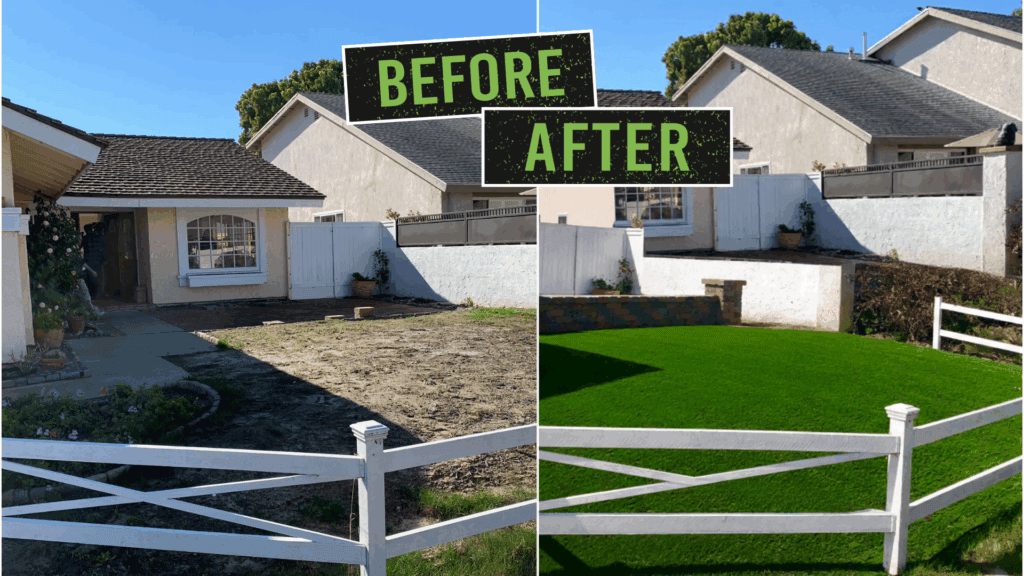
Artificial grass eliminates mowing, fertilizing, and watering costs entirely. Southern California properties with synthetic turf avoid the rising monthly water bills common to natural lawns during summer months. The only recurring task is rinsing debris and brushing fibers twice per year.
How Do Paver Systems Compare to Other Hardscapes?
| Material | Annual Upkeep | Lifespan | Key Cost Driver |
|---|---|---|---|
| Concrete pavers | Sweep + seal every 2-3 years | 25+ years | Joint sand replacement |
| Wood decking | Stain/seal annually | 10-15 years | Rot repair, refinishing |
| Natural stone | Minimal cleaning | Lifetime | Occasional re-leveling |
Compared to traditional wood decking and natural grass, concrete pavers and natural stone offer superior durability with significantly lower maintenance demands. Investing in a paver patio in Southern California typically yields a lifespan exceeding two wood decks, while requiring only a small fraction of the annual upkeep.
This durability keeps overall long-term maintenance costs remarkably low. Evaluating hardscape options against routine lawn care consistently shows that pavers and natural stone provide a far more predictable and low-effort long-term solution for homeowners.
What Hidden Costs Should Homeowners Plan For?
Permitting requirements and site conditions create the most common hidden expenses in Southern California outdoor living projects. Hillside properties, in particular, introduce variables that can shift a project budget significantly.
Final investment depends on site conditions, permitting requirements, pool design, material selection, and utility access, especially for hillside properties. Homeowners who overlook these factors face mid-project surprises that inflate both installation and long-term maintenance costs.
How Do HOA Approvals Affect Project Costs?
Homeowners association approval processes may require design revisions or additional fees before construction begins. Professional contractors with over 19 years of experience handle all details from design to HOA approvals, with consistent site management. This eliminates the hidden cost of rejected plans and rework fees that unprepared homeowners encounter.
What Role Does Transparent Pricing Play?
Transparent pricing with no hidden fees protects homeowners from budget overruns during and after installation. Ecoworkz provides transparent pricing, no hidden fees, and a high level of trust among homeowners in Orange County and Riverside County.
Financing solutions further spread the initial investment, making premium low-maintenance materials accessible without straining monthly budgets. This approach prevents the common trap of choosing cheaper materials that require costly repairs within five years.
The Bottom Line on Long Term Maintenance Costs
The recurring maintenance expenses for Southern California homeowners are primarily determined by the selection of landscaping materials. While traditional lawns impose a continuous cycle of rising irrigation and labor costs, choosing artificial turf, pavers, or natural stone provides a durable alternative that significantly minimizes upkeep compared to short-lived wood decking.
Variables such as specific site conditions, HOA guidelines, and local permitting can impact both initial and long-term budgets. By accounting for these factors and utilizing transparent pricing or financing options, residents in Corona and the Inland Empire can ensure their outdoor living space remains cost-effective for decades. Reach out to Ecoworkz to arrange a consultation and begin transforming your property